LifeBank

11/15/2018:

Meet this Nigerian woman. Read her story. This photograph and excerpt derives from the infamous blog and social media account, Humans of New York. Humans of New York (HONY) was founded by photographer Brandon Stanton, who began working on a simple project focused in New York City. Brandon has since expanded his work to an international scale, as he travels to many countries photographing and interviewing random people, sharing their stories, giving voices. This particular post inserted above appeared in my feed on September 27, 2018. I have found my involvement in the Global Health class has enhanced my intrigue and my connection to stories like this Nigerian woman’s. In her interview, she touches on a few major points I would like to further discuss:

  • “During that trip I witnessed a breached birth in the village. There was no C-Section available, so the baby died. “
  • “I’ve chosen to work on the country’s blood distribution problem. Every year tens of thousands of people die while waiting for blood… blood shortage is a global problem.”
  • “My company LifeBank is trying to close that gap.”

C-sections

C-Sections, or Cesarean Sections, is of frequent current discussion lately, as the frequency of procedures dramatically increased over the past couple of decades. A medical journal article published just a few weeks ago reported that the the number of births through C-section from approximately 16 million worldwide in 2000 to an estimated 29.7 million in 2015 (Boerma et al, 2018). Such an increase is noteworthy because 29.7 million proportionally equates to more than 1 in every 5 births globally (Boerma et al, 2018). In general, the universal accessibility to cesarean sections is a positive goal because the procedures can greatly reduce both mother and infant mortality rates when at risk (Boerma et al, 2018). However, concerns arise in relation to the amount of procedures done out of convenience rather than medical necessity.

In application to the HONY story, the countries reporting the lowest frequencies of C sections are in Africa, including Nigeria. Based on the study’s research, C sections only accounted for 4.1% of births in West and Central African regions (Boerma et al, 2018). The CIA World Factbook sites the Nigeria’s infant mortality rate at 63.3 deaths per 1,000 live births and the maternal mortality rate at 814 deaths per 100,000 live births, which are ranked 13th and 4th in the world, respectively (“The World” 2018). That being said, while researchers may be cautious of the rising prevalence in other regions, they are encouraging of working toward improving procedure availability in the African regions.

Blood Distribution:

A major complication associated with cesarean sections is excessive blood loss. Especially in developing countries, postpartum hemorrhage (high blood loss after childbirth) is a major risk factor. A study conducted conducted on cesarean delivery and its outcomes at Ebonyi State University Teaching Hospital, Abakaliki concluded that the two leading causes of maternal death were hemorrhage and sepsis (bacteria-infected bloodstream) (Onoh et al 2015). Another study generally focusing on low and middle income country c sections sited the World Health Organization call for improving medical resource access to reduce maternal mortality in delivery, which “requires universal access to comprehensive emergency obstetrical care, defined as a health service organization’s capability to provide antibiotics, uterotonics, magnesium sulfate, and blood transfusion” (Harrison et al 2017). This is where the Nigerian woman’s company, LifeBank, comes into play.

LifeBank:

She explains the process of LifeBank as: “Every morning we take an inventory. And when blood is urgently needed, we use bikes to deliver. It’s not easy. Imagine New York City without the infrastructure and no subway system. That’s Lagos. LifeBank has delivered over 10,000 bags of blood within 55 minutes”(HONY, 2018).

Upon further research of the organization, I discovered that LifeBank works to deliver other medical essentials such as oxygen and vaccines in addition to blood. The program started in January, 2016. So far, they have transported 11,235 units of blood, serving 480 hospitals. Ultimately, LifeBank’s current goal is to “save one million lives across Africa in ten years”(LifeBank 2018).

Video:

https://www.bbc.com/news/av/magazine-41054577/nigeria-s-digital-blood-bank

To learn more about LifeBank and its impact visit the website at:

https://lifebank.ng/


Sources:

Boerma, T. et al. “Global epidemiology of use of disparities in caesarean sections”. The Lancet. Volume 392, Issue 10155, p 1341-1348. October 13, 2018.

“The World Factbook”. Central Intelligence Agency. 2018. https://www.cia.gov/library/publications/the-world-factbook/geos/ni.html

Harrison, MS. et al. “A prospective study of maternal, fetal and neonatal outcomes in the setting of cesarean section in low‐ and middle‐income countries”. Acta Obstetricia et Gynecologica Scandinavica. January 20, 2017.

Humans of New York. 2018. http://www.humansofnewyork.com/post/178518218066/my-mother-won-the-visa-lottery-so-when-i-was

LifeBank Nigeria. 2018. https://lifebank.ng/

Onoh, RC. et al. “A 10-year appraisal of cesarean delivery and the associated fetal and maternal outcomes at a teaching hospital in southeast Nigeria”. International Journal of Women’s Health. May 13, 2015.

Women’s Rights are Human Rights

11/4/2018:

The battle of pro-life versus pro-choice has prolonged in our country’s political environment for years. This is no breaking news. However, with current President Trump’s mention of his anti-abortion stance followed by his nomination of Judge Brett Kavanaugh- a notorious anti-abortionist- to the United States Supreme Court, concerns regarding women’s reproductive rights have heightened. Kavanaugh poses a serious threat to potentially overturn Roe vs Wade (“Roe” 2018).

Roe vs Wade was a Supreme Court case that resulted in the ruling of abortion legalization under the Fourteenth Amendment to the Constitution in 1973 (“Roe” 2018)

With Kavanaugh confirmed, he could be the overriding vote necessary to nullify Roe vs Wade which would put millions of women’s health at risk and strip American women from their rights to control their own bodies. Such an act would be a major digression for America, a nation that is supposed to be a leader in the world of human rights.

Speaking of human rights, the United Nations Human Rights Committee published in their October 30th, 2018 “General Comment on the Right to Life” that providing available sites for safe abortions is a human right:

post 4 use
(Human 2018) Retrieved from: https://www.ohchr.org/Documents/HRBodies/CCPR/CCPR_C_GC_36.pdf

To highlight a few key points:

  • “States must provide safe, legal and effective access to abortion where the life and health of the pregnant woman or girl is at substantial pain or suffering, most notably where the pregnancy is the result of rape or incest or is not viable.”
  • “They should not take measures such as… apply[ing] criminal sanctions against women and girls undergoing pregnancies or against medical service providers assisting them in doing so, since taking such measures compel women and girls to resort to unsafe abortion.”
  • “States parties should ensure the availability of, and effective access to, quality prenatal and post-abortion health care for women and girls, [18] in all circumstances, and on a confidential basis.”
    • Note the “in ALL circumstances”

(Human 2018)

Beyond the fact that restricting safe abortion procedures in the US would be a violation of human rights, it would put many women’s lives in danger. Let’s not forget the reason Roe vs. Wade was fought for in the first place. Before abortion was legalized, “in 1965, illegal abortions made up one sixth of all pregnancy-and-childbirth related deaths” and “eight in ten women with with low incomes in New York City who had an abortion attempted a dangerous self-induced procedure”(planned parenthood). The legalities of abortion are not going to dictate whether or not abortion takes place because abortions are going to occur no matter the law. To believe a ban on abortions would prevent their occurrence is utter ignorance. Rather, the legalities are important to be in place to ensure women can be safe, healthy, and unharmed. According to Planned Parenthood, if Roe vs Wade is overturned, 25 million women- which is over one third of US women at reproductive age- would be at risk (“Roe” 2018).

Moreover, while Roe vs Wade permits legal abortion during the first trimester of pregnancy on a national level, it also gives state legislation the ability to dictate more specific rules for abortion during the second and third trimesters (“Roe” 2018). Variance therefore exists among states in terms of abortion resources available. A 2015 study researched the possible factors involved in such variance. They chose several social determinants of health to measure, along with three women’s reproductive health outcomes: abortion, teen births, and infant mortality rate. The social determinants of health included religiosity, poverty levels, and political trends. The deviation in abortion rate was largely credited to availability of abortion services (Kimball and Wissner, 2015). Take for example:

Wyoming had only three abortion providers in 2008, and 96% of women were located in counties without an abortion provider (Jones & Kooistra, 2011). California, with one of the highest abortion rates, at 27.6 per 1,000, had 522 abortion providers, and only 1% of women lived in counties without a provider (Jones & Kooistra, 2011)” (Kimball and Wissner 2015).

The researchers then drew associations of the availability range with each state’s respective political affiliations, democratic states trending with higher abortion rates and thus resources as opposed to republican states showing lower abortion rates and less allocated resources (Kimball and Wissner 2015).

Global Reproductive Rights News:

Canada: Canada is making major strides to advance women’s rights both in their own nation and throughout the world. Last year, they initiated a Feminist International Assistance Policy (FIAP). To build upon that policy’s foundation, nearly all of their humanitarian aid following its establishment has included advocacy for sexual and reproductive health and rights or female empowerment. Canada is also looking forward to hosting the 2019 Women Deliver Conference to continue their feminist movement. http://www.ipsnews.net/2018/10/canada-takes-lead-role-funding-reproductive-health-womens-rights-sustainable-development/ Not to mention Prime Minister Justin Trudeau’s publically vocal support of feminsm sets a wonderfully encouraging example for the entirety of the nation to follow.
England: England is potentially planning to legalize abortion pills to be taken at home. Using the pill approach, there is an initial pill that is administered at a hospital or clinic, followed by a second pill within 48 hours of the first. There is discussion to allow women to ingest the second pill in the privacy of their home. Those in favor argue that taking the second pill at home would allow women to avoid the potential pain, discomfort, and ultimately miscarriage while in public traveling home. The World Health Organization and other medical advisory affirm the safety in doing so. https://www.independent.co.uk/voices/abortion-pill-at-home-northern-ireland-pregnancy-a8507811.html


Sources:

Human Rights Committee. “General comment no. 36 on article 6 of the international covenant on civil and political rights, on the right to life”. Centre for Civil and Political Rights. October 30, 2018.

Kimball, R. and Wissner, M. “Religion, poverty, and politics: their impact on women’s reproductive health outcomes”. Public Health Nursing. Volume 32, Issue 6. Pages 598-612. April 16, 2015.

“Roe v. Wade: The constitutional right to access safe, legal abortion”. Planned Parenthood. 2018.

Don’t Trust the Air you Breathe

11/2/2018: 

“Around 93% of the world’s children under 15 years of age breathe air that is so polluted it puts their health and development at serious risk, accounting for 1.8 billion children”(McDougall, 2018).

Read that statistic again.

Ninety-three percent of the entire world’s children. Ninety-three percent! That is nearly every single child on Earth. Let’s not forget that the ultimate cause behind this massive threat is our own people. Consider this; human conscious efforts are responsible for diminishing the health and life span of almost every existing child, our future generation.

I was walking to class when the headline: “More than 90% of world’s children breathe toxic air, report says, as India prepares for the most polluted season” from a CNN notification popped up on my phone screen. I immediately thought: ‘wow has it really become this bad?’ , which is exactly why I am writing this post. Even after studying AP Environmental Science and staying updated with most global news, this statistic still left me surprised. I would predict that the majority of people in industrialized nations fail to recognize the extent to which their actions are impacting the livelihood of our Earth.

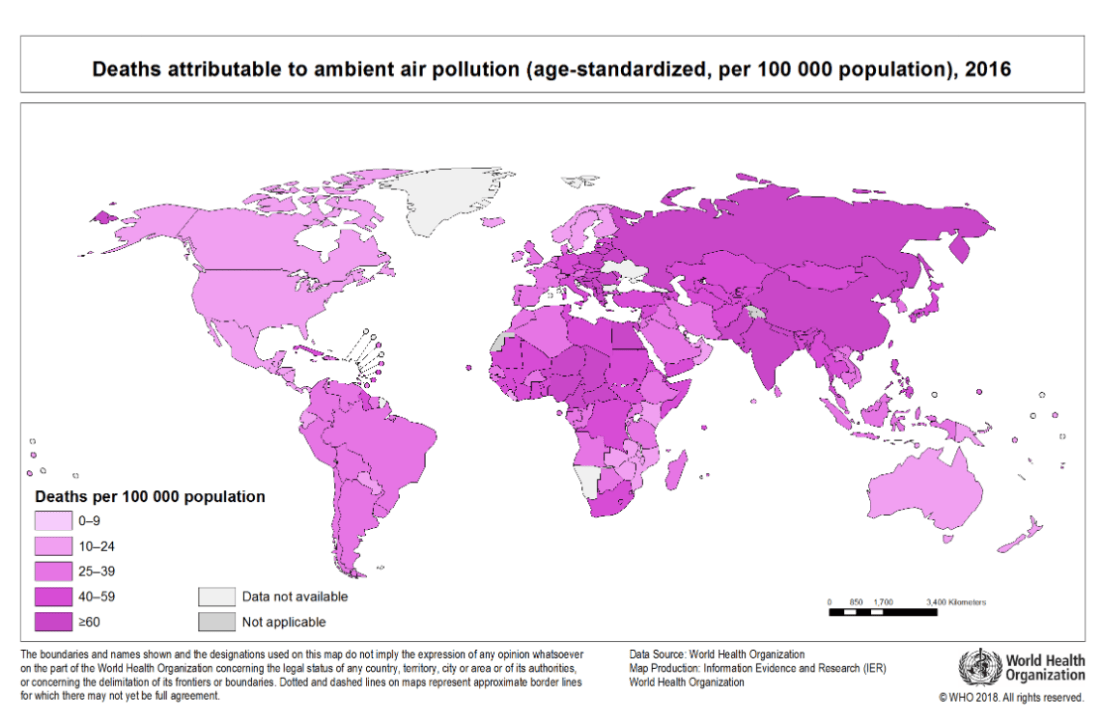
The World Health Organization (WHO) dedicates many resources toward informing and combatting this global dilemma. They gather data on emission levels, various gas concentrations, particulate matter presence, along with correlated respiratory illness and other adverse  health condition incidence rates. The findings are discussed and presented at major conferences, specifically this year’s first WHO Global Conference on Air Pollution held in Geneva, Switzerland just a couple of days ago. In collaboration with other United Nations organizations, they strategize tactics toward limiting future air pollution and setting guidelines. (“Air”, 2018)

The WHO website publicizes:

  • “Ambient air pollution accounts for an estimated 4.2 million deaths per year due to stroke, heart disease, lung cancer and chronic respiratory diseases.”
  • “Around 91% of the world’s population lives in places where air quality levels exceed WHO limits.” (“Air”, 2018)

Ambient air is essentially the atmospheric, outdoor air we breathe. The heavily monitored and harmful pollutants in the ambient air include particulate matter, sulfur dioxide, nitrogen dioxide, and ozone. Household air pollution due to certain cooking fuels also poses major health threats (“Air” 2018). 

Screen Shot 2018-11-19 at 12.29.31 PM

To learn more about global air pollution data and guidelines, visit:

http://www.who.int/airpollution/ambient/en/

Suggested country-specific readings:

Air Pollution Impacts on Health and Health Expenditures in China:

https://www-sciencedirect-com.libproxy.clemson.edu/science/article/pii/S0959652616300312#sec4

Canada making positive changes toward improving urban air quality:

https://www.sciencedirect.com/science/article/pii/S1618866717302182#sec0050


Sources:

“Air Pollution”. World Health Organization. 2018.

McDougall, M.“More than than 90% of world’s children breathe toxic air, report says, as India prepares for most polluted season.” CNN. October 29, 2018.


Human Trafficking in our Homeland

9/18/2018

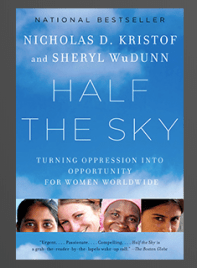
On our way to class today, a few girls and I began talking about book recommendations. One friend suggested Half the Sky, by Nicholas Kristof and Sheryl WuDunn, which tells the nonfictional stories of several women in different African and Asian countries who endured forms of sex slavery (http://www.halftheskymovement.org/pages/book.html ).Screen Shot 2018-11-20 at 4.12.56 PM 

Later, someone else mentioned the recent incident in the news regarding a potential human trafficking case at the Greenville mall. We then arrived to class, and listened to our instructor lecture about the same global crisis.

The next day, September 19th, a video showed up in my Facebook feed of a Floridian woman expressing her serious concern and warning for girls to be attentive to potential threats of traffickers after her encounter at a local grocery store. (click the link below to view the video):

https://www.facebook.com/tampabaynews/videos/2051278535183657/

This series of events all occurred just a couple of weeks before October 6th, the one year anniversary of Rachael’s death. Rachael was a classmate of mine in high school. We both attended Glastonbury High School, a prominent school in an affluent Connecticut suburb. She was a well known girl with whom I shared many friends. On October 6th, 2017, Rachael took her own life after seeing no other alternative to escape her sex enslavement. A man she began seeing in Connecticut eventually persuaded and forced her into sexual acts with ‘clients’ in Manhattan, New York. She would return from the city bruised and battered. She lost the ability to control her own life. Scared, isolated, and depressed, she committed suicide. Discovering this news really hit home and shook my core. Growing up in sheltered Glastonbury, I would hardly consider to be cautious of sex trafficking as a potential threat in my area. Evidently, no one is safe. Especially with today’s deceptions in our addicting social media, the range of ways victims can be targeted is widely expanded. Because of this devastating circumstance, I am watchful of my surroundings in public, realizing that traffickers can seek victims anywhere.

Furthering my point, in August of this year, Greenville News published a story discussing the increased prevalence of human trafficking reported specifically in the county of Greenville. According to the article, Attorney General Alan Wilson accredits the rising cases to “[Greenville’s] connection to Interstate 85 and the area’s proximity to Atlanta and Charlotte, which he said are two cities in the top 20 areas for most human trafficking in the U.S.” He later intensifies his call for action stating the following facts:

“The United States is the world’s top destination for human trafficking with 103,000 child victims of human trafficking being identified every year.”

“ One out of every seven runaways are victims of human trafficking.”

(Gross 2018)

To read the rest of the article visit: https://www.greenvilleonline.com/story/news/crime/2018/08/24/greenville-county-leads-sc-human-trafficking-cases/1084379002/

With such disturbingly high prevalence, it is essential for medical practitioners to be able to recognize signs of trafficking victims. Registered nurse Cheryl Green wrote an informative article providing insight for nurses and any medical caregiver to better identify suspected victims. She explains distinguishable factors such as a patient’s inability to state his or her current location due to excessive confinement from the outside world and hesitation to speak for his or herself in the presence of their trafficker. Physical examination indicators include bruising, genital mutilation or scarring, signs of multiple terminated pregnancies, signs of drug or alcohol abuse or withdrawal, and more (Green 2016). Pictured is a series of suggested questions to ask a suspected victim included in the article: 

POST 2 PIC
Retrieved from: Green, 2016


In another article I read published in the American Medical Association Journal of Ethics, several doctors discuss the need for human trafficking education in medical schools and other programs of the field. The article claims “in a New York City-based study, only 4.8 percent of emergency medicine clinicians reported feeling confident about their ability to identify a victim of human trafficking.” A large portion of victims have visited health centers and are treated unnoticed, returning to their captor. If clinicians are effectively trained, we could save a significant number of enslaved lives (Stoklosa et al 2015).

I would argue that nurses could be the most impactful in saving victims as they are on the front line of patient care through verbal interactions, initial physical examination, and follow up, properly informed nurses perhaps have the highest potential to identify and act on risk factors. Here at Clemson, I definitely intend to raise this point to my instructors and peers. As mentioned above, Greenville, South Carolina is one of the leading areas of human trafficking. With our newly expanded nursing program partnering with Greenville Health System for clinical rotations, it would be utterly ignorant to not include lessons on victim identification.

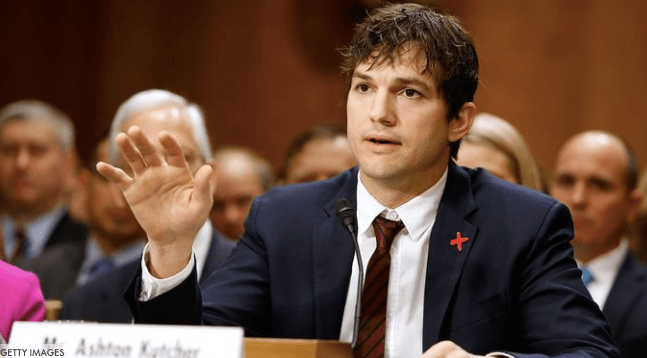
Learn how actor and entrepreneur Ashton Kutcher is actively fighting against Human Trafficking across the Globe:

https://www.youtube.com/watch?v=HUmfsvegMRo

Screen Shot 2018-11-20 at 9.28.06 PM
Retrieved from: https://www.elle.com/uk/life-and-culture/culture/news/a34062/ashton-kutcher-speech-congress-senate-human-trafficking/


Polaris is a non profit organization that strives to disrupt trafficking networks and help victims. Please consider donating to this impactful and vitally needed program in honor of Rachael’s name:

https://amplify.netdonor.net/4601/holidays2017/18588/Rachaels%20Voice?ea.tracking.id=AMP_FBshare&fbclid=IwAR3jC7hlEjqS7yEU0Ks4sznDm9mkvAe8_nxxoN5cbiMvTUXUrt8i3lr1kHQ


Sources:

Green, Cheryl. “Human Trafficking: Preparing for a unique patient population” American Nurse Today Volume 11, Number 1, pg 9-12. January, 2016.

Gross, Daniel J. “Greenville County leads SC in human trafficking cases, Attorney General Alan Wilson says”. Greenville News. August 24, 2018.

Stoklosa, H., Grace, A., Littenberg, N. “Medical Education on Human Trafficking”. American Medical Association Journal of Ethics. October 17, 2015.


First Day of Class

8/28/2018:

Today was my first class for Social Determinants of Health in Low Resource Countries. Unsure of what to expect, I was pleased to learn beyond the typical ‘first day of class syllabus overview’. The lecture struck something in me; it reminded me of my broader passions and motivations, and for that reason I am beyond excited to garner as much information throughout this course as I possibly can.

A specific point I recalled was regarding the tendency of organizations to travel to communities in low-resource countries and simply provide people with donated material items. These types of organizations are ultimately hurting the community because they’re developing dependency instead of sustainability. For that reason, it is crucial for organizations to evaluate how their actions are impacting the communities down the line. Promoting sustainability can include efforts like sanitation education or instructive building with accessible local materials.

This concept caused me to reflect upon my own experience with a global outreach program. Arm2Arm is a small-scale organization founded by Maryse Adonis.(see link for Arm 2 Arm) In recent years, Maryse has partnered with my church at home to go on annual trips to Batey Botecito, a village in the rural sugarcane fields of the Dominican Republic.

Some background on the Dominican bateyes:

  • Many of the villagers are of Haitian descent, forcibly working on sugarcane plantations
  • The men and boys spend their days dangerously hacking sugarcane stalks with machetes for an extremely low or no wage
  • Many Haitians are targeted because of the lengthy, tense, conflict-filled history between the Dominican and Haiti
  • Most of those in the bateyes live there for their entire lives, never leaving or witnessing life beyond the community grounds
    • This is partially due to fear of legalities as they are not legal workers, as well as their crippling impoverishment

(Bernier, 2003)


Throughout the different trips, our partnership has constructed a school building, a water well, new roofing and housing, and more. Along with the construction, we set up medical clinics in Botecito and other villages in the region with the help of nurse practitioners from Boston and two doctors from the neighboring country, Haiti. At the clinics, locals received physical examinations, some basic prescriptions, eyeglasses, contraceptives, and hygiene products. However, it is clinics like these that serve as temporary fixes. As mentioned in class, it is far more impactful to spend time educating the locals on medical care, hygienic practices, and safe sex.


This exemplifies the difference between a dependent and sustainable partnership among the Dominicans and Arm 2 Arm. While some projects promoted sustainability, like the school building, other projects failed to do so. A family friend of ours who chaperoned the trip for this past summer explained- prior to leaving for the DR- how the primary plan was to build a playscape at the village. I recall immediately feeling disappointed. It’s not that I didn’t believe Cristian, Dominico, Ismail, or any of the other children I came to know on my trip would fully appreciate and enjoy a new playground. Rather, it was knowing the level of severe impoverishment in which these people lived and the skills and resources we could provide with Arm 2 Arm, yet the big plan they decided to work on was a playground. A more viable alternative could have been working with the locals to level the roads, easing transportation, especially during the wet season, thus facilitating access to employment or medical services in the urban areas.


I deeply value my experience with Arm 2 Arm and the people with whom I shared it. Maryse has the biggest heart and because of her efforts I was privileged enough to have an opportunity that changed my life. In the future, I would love to collaborate with Maryse and my church community to propose project plans for upcoming trips that would better foster sustainability within Batey Botecito.

To read more about organizations promoting sustainability, click on the attached links:

https://www-sciencedirect-com.libproxy.clemson.edu/science/article/pii/S1462901117308237

https://www.cnn.com/2017/05/04/health/cnn-hero-samir-lakhani-eco-soap-bank/index.html


Sources:

Bernier, Barbara L. “Sugar Cane Slavery: Bateyes in the Dominican Republic.” New England Journal of International and Comparative Law, vol. 9, no. 1, 2003, pp. 17- 46, http://heinonline.org.libproxy.clemson.edu/HOL/Page?handle=hein.journals/newenjic9&id=21&collection=journals&index= . Accessed 3 Oct. 2018